Chianti, Chianti Classico and what you taste on a Florence wine tour
The wine labels in the Chianti hills look alike until someone explains them. This guide sorts out Chianti against Chianti Classico, then the aging tiers and the Supertuscans. Then it lists what each tour from Florence actually pours.
Two names, one main grape
Chianti is a wine from a large area of central Tuscany. Chianti Classico comes from a smaller, historic zone inside it, the hills between Florence and Siena. Both are separate wines with their own rules, not one better grade of the same thing.
Greve in Chianti, where tour 2 stops, sits inside the Classico zone. The wider Chianti area wraps around it and reaches well beyond, with subzones that add their own names to the label.
The grape behind both is Sangiovese. It makes red wine with bright acidity and flavors that people often describe as sour cherry and dried herbs. Chianti Classico rules require at least 80 percent Sangiovese, with other red grapes allowed in the rest.
The black rooster on the neck
A Chianti Classico bottle carries a black rooster, the Gallo Nero, on a seal around the neck. It marks the wine as coming from the historic zone, and you will see it on many of the bottles poured on these tours.
Plain Chianti has no rooster. That does not make it a poor wine, and good everyday bottles come from the wider area. When you compare two glasses side by side, the label tells you where the grapes grew, not how much you will enjoy them.
Annata, Riserva and Gran Selezione
Of the three Chianti Classico tiers, the basic wine, often called annata, is the youngest. Riserva spends longer aging before release. Gran Selezione, the top tier, must come from the estate's own grapes and ages longer still.
If a Riserva is on the table, taste it after the younger wine, not before. Expect a step up in price with each tier at the shop counter. Whether you taste a step up in the glass is a fair question to ask your host.
We leave out the exact aging months here, since the rules are detailed and the hosts explain them better with a bottle in hand. Ask which tier you are drinking before each pour.
Tasting a basic wine and a Riserva from the same estate one after the other is the clearest lesson of the day. The older wine often feels softer and rounder, while the young one stays fresher and sharper.
Supertuscans, outside the classic rules
Supertuscans are Tuscan reds made outside the traditional rules. They often blend Sangiovese with French grapes such as Cabernet Sauvignon or Merlot, or skip Sangiovese altogether. They are often made in small amounts and priced high.
If they are what you want, look at the semi-private option of the Towns of Italy wine and olive oil trail from ~$99. That upgrade is capped at 8 guests and led by a certified wine expert, with Supertuscans as its focus. The standard tours mostly pour Chianti and Chianti Classico.
What each tour pours
The listings name the number of wines on some tours and stay vague on others. Reds dominate everywhere. On tour 1, rosé or white appears sometimes but is not guaranteed, so do not book any of these for a white wine.
| Tour | Wines | With it | From |
|---|---|---|---|
| Prestige Rent small group | 6 wines and olive oils over 2 Chianti Classico estates | Cheese, salami, cold cuts, bruschetta | ~$101 |
| Towns of Italy trail | Chianti and Chianti Classico at 3 wineries | Olive oil mill, 3-course lunch | ~$99 |
| Towns of Italy Vespa | A tasting at 1 winery | Olive oil, Tuscan meal | ~$119 |
| Ciao Florence coach | 3–4 wines, then up to 3 more | Bread, olive oil, balsamic, salami | ~$55 |
| Gray Line Florence day | 3 Chianti wines, plus wine at lunch | 3-course lunch, cantucci | ~$79 |
For the most wine talk per hour, tour 1 is our pick, and tour 2 covers the most estates. Our page on minibus against big coach explains how group size changes the time you get with each host.
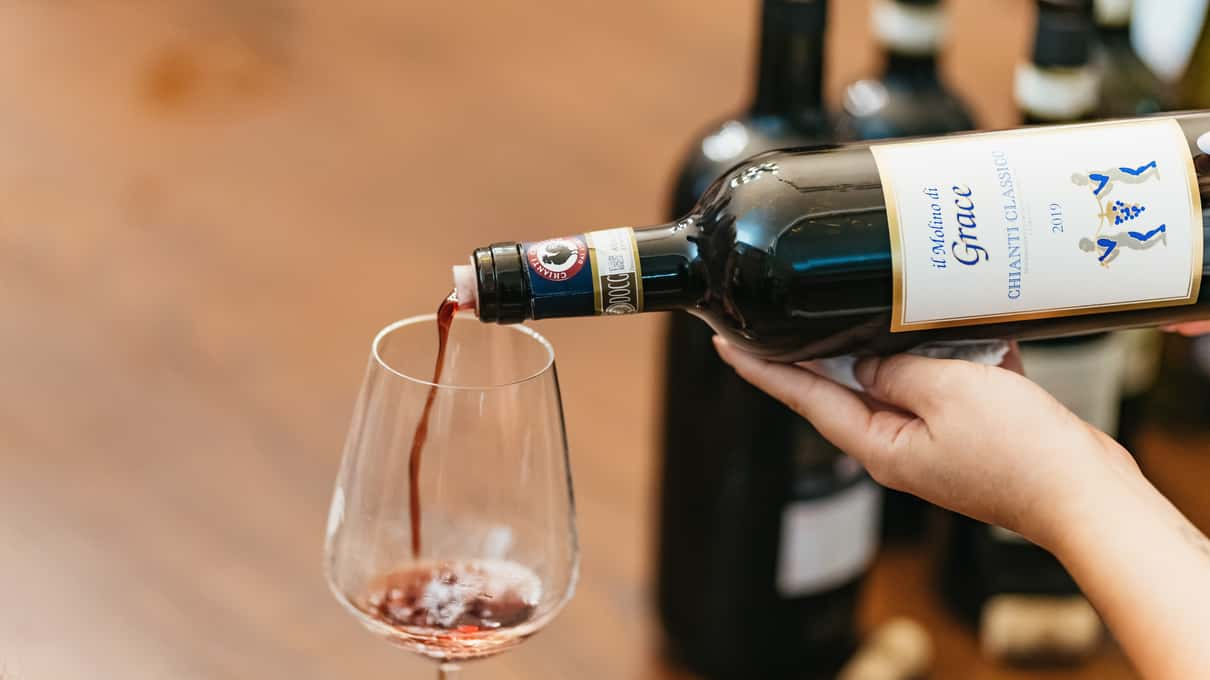
Two Chianti Classico estates in one morning
Prestige Rent takes a minibus to two estates in the Classico zone, with a cellar visit at each. Across the two you taste six wines and olive oils, ending with cheese and cured meats at the second stop.
Olive oil and balsamic on the table
Most of these tours pour olive oil next to the wine. Fresh Tuscan oil can taste grassy and peppery, with a bite at the back of the throat that surprises people the first time.
Tour 2 adds a visit to an olive oil mill at a historic estate. The Ciao Florence coach tour serves balsamic with bread at its first winery. For anyone in your party who does not drink, these tastings are a good part of the day, as our page on kids and non-drinkers explains.
How to taste six wines and stay steady
Tastings are pours, not full glasses. Even so, six small pours over a morning add up. Eat the bread and cheese when it comes, and drink water between wines.
Spitting into the bucket or leaving half a glass is normal at a winery, and nobody will take it badly. Hosts see it every day. If you like a wine, ask about it rather than finishing it.
The tours drive you, so nobody in your group has to stay sober for the wheel. The Vespa day is the exception, since you ride yourself; go easy before you ride, as the Vespa guide explains. If a bottle wins you over, our guide on buying and shipping wine covers the next step.